Yoga Backbend Embroidery Design Review
As a designer who has spent years curating assets for both my own craft business and client projects, I approach every new machine embroidery design with a critical eye. The market is flooded with generic shapes, but finding a file that truly captures the spirit of a niche like Wellness requires more than just a silhouette. When I first loaded the Yoga Backbend Embroidery Design into my digitizing software, I was immediately struck by its elegant simplicity. It does not scream for attention; instead, it whispers strength and balance, which is exactly what we want when decorating items for yoga enthusiasts or fitness lovers.
First Impressions: Mood and Visual Personality
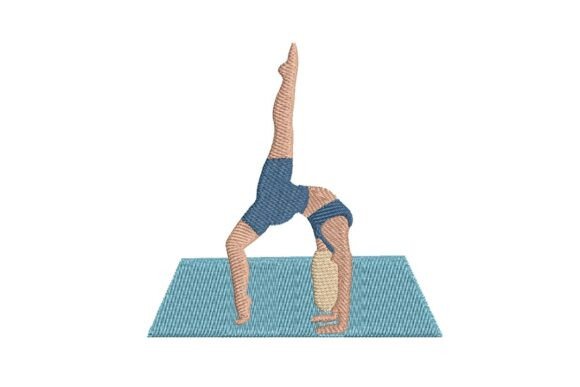
The initial visual impact of this design is defined by its fluid lines. Unlike rigid geometric patterns often found in commercial embroidery, the curves here mimic the natural movement of the human body in a backbend pose. This creates a sense of motion even in a static stitched image. For a small shop product line focused on mindfulness or self-care, this visual personality is crucial. It suggests flexibility not just physically, but emotionally, making it an ideal candidate for personalized gifts or boutique branding.
When evaluating the layout, I noticed how well the negative space is utilized. The design avoids being overly dense, which is a common pitfall in complex figure-based embroidery. This openness allows the fabric texture to breathe through the stitches, preventing that heavy, plastic-like look that can ruin a high-end handmade product. Whether you are planning to use satin stitch for the outlines or fill stitch for the body, the structure supports clean definition without requiring excessive thread consumption.
Real-World Application: From Concept to Finished Product
To truly understand the value of the Yoga Backbend Embroidery Design, I imagined a specific project: a custom embroidered tote bag for a local yoga studio's holiday gift drive. In this scenario, the design would be placed centrally on a sturdy cotton canvas. The contrast between the dark thread colors and the natural beige fabric would make the pose pop, instantly communicating the studio's values to anyone carrying the bag.
I also considered how this machine embroidery design would perform on soft goods like sweatshirts. Sweatshirt embroidery is tricky because the fabric moves under the needle. However, the balanced weight distribution of this design means it should hold up well against the heathered texture of fleece. If you are an Etsy seller looking to expand your catalog into winter wellness gear, placing this motif on the chest or sleeve of a crewneck offers a professional look that elevates the perceived value of the item significantly.
Beyond apparel, the versatility extends to home decor. Imagine a tea towel or a pillow cover featuring this design. The organic shape fits beautifully within square or rectangular hoops, allowing for creative placement. For nursery decor, a softer color palette could transform this into a baby embroidery piece, celebrating the gentle stretches of early childhood development. The key is recognizing that while the pose is athletic, the aesthetic is calming, making it suitable for a wide range of audiences beyond just serious athletes.
Navigating Fabric Challenges and Stitch Density
While the design is robust, there are scenarios where caution is required. If you plan to use this on thin fabric or stretchy materials like jersey knit, the stitch density must be carefully managed. Too much fill stitch in the limbs of the backbend could cause puckering, distorting the graceful curve of the pose. Always test the design on scrap fabric first to ensure the stabilizer you choose provides enough support without adding bulk.
Curved surfaces present another challenge. Attempting to embroider this on a cap or a baseball hat requires precise hoop tension. The intricate details of the head and hands in the backbend pose might lose clarity if the fabric stretches too much during stitching. In such cases, consider using an embroidered patch technique instead. By stitching the design onto a stable backing and then applying it as a patch, you maintain the integrity of the lines while avoiding the difficulties of direct application on curved surfaces.
Dark fabrics also demand attention. The Yoga Backbend Embroidery Design relies on clear definition. If you stitch white thread on black fabric, you must ensure the thread coverage is sufficient to prevent the background from showing through gaps in the running stitch or fill stitch. A preliminary black and white mockup can help you visualize these contrasts before committing to expensive thread and fabric.
Strategic Value for Craft Businesses
For creative entrepreneurs and digital product sellers, the Yoga Backbend Embroidery Design offers a unique selling point. In a saturated market, customers are looking for designs that tell a story. This file tells a story of wellness, resilience, and inner peace. When used correctly, it enhances buyer engagement and builds customer trust because it demonstrates a thoughtful selection of design assets.
If you are creating printable mockups to showcase your services, this design serves as an excellent example of how to blend art with utility. It shows potential clients that you understand their brand identity. Whether you are selling the finished product or offering the digital embroidery file itself, the quality of the final result directly impacts your reputation. A clean, well-executed stitch job on a recognizable pose like the backbend reinforces professionalism.
Practical Designer Notes for Success
- Test Before You Commit: Always run a test stitch on a similar fabric to check for puckering or thread breaks, especially around the joints of the figure.
- Color Contrast Matters: Select thread colors that offer high visibility against your chosen fabric background to ensure the pose remains legible.
- Stabilizer Selection: Use a cut-away stabilizer for stretchy fabrics and tear-away for wovens to maintain the shape of the design.
- Hoop Size Verification: Confirm that your hoop size accommodates the full width of the backbend without cutting off any details.
- Licensing Check: Before selling finished items or the digital file, confirm the licensing terms to ensure you are compliant for commercial embroidery projects.
- Mockup Testing: Create both light and dark background mockups to see how the design adapts to different product lines.
In conclusion, the Yoga Backbend Embroidery Design is a versatile asset that bridges the gap between functional fitness and artistic expression. It is not merely a picture; it is a tool for creators to build meaningful connections with their audience. By paying attention to the nuances of fabric choice, stabilizer use, and color contrast, you can turn this file into a standout feature in your portfolio. Whether you are crafting a holiday gift or launching a new line of custom apparel, this design brings a touch of elegance and intentionality that resonates deeply with today's conscious consumer.