Cranberry Machine Embroidery Design Review
As an embroidery designer who has spent years translating digital files into tangible brand assets, I approach every new machine embroidery design with a critical eye. It is not enough for a pattern to look pretty on a screen; it must translate flawlessly onto fabric, withstand the rigors of commercial use, and elevate the perceived value of the finished product. Today, I am reviewing the Cranberry Machine Embroidery Design, a file marketed for the Thanksgiving season. While the description suggests it is perfect for table linens and holiday décor, my focus here is strictly on its viability for small business merchandise, branded patches, and professional apparel decoration.
First Impressions: Aesthetic and Brand Personality
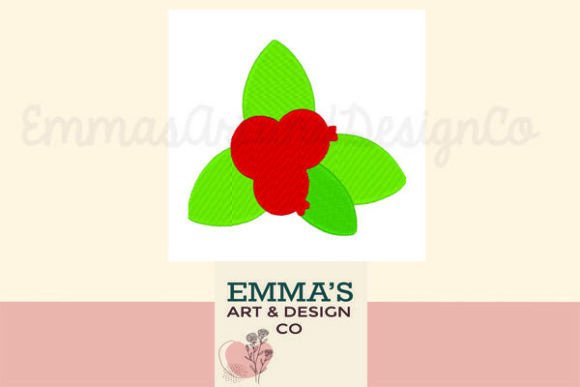
Upon opening the preview of the Cranberry Machine Embroidery Design, the immediate visual impression is one of rustic warmth and classic seasonal charm. The motif leans heavily into traditional autumnal themes, which can be a double-edged sword for branding. For a local bakery, a boutique florist, or a cozy café, this aesthetic aligns perfectly with a "handmade" and "community-focused" brand identity. However, for a modern tech startup or a high-end minimalist fashion label, the decorative nature of this design might feel too busy or dated.
The design exudes a friendly, inviting energy rather than a bold, corporate statement. This makes it an excellent candidate for soft goods like tote bags, aprons, and staff uniforms where the goal is to create a welcoming atmosphere. The organic shapes typical of cranberry motifs suggest a natural, earthy vibe, which pairs well with linen, cotton, and canvas textures. If your brand relies on authenticity and seasonal storytelling, this embroidery file offers a strong visual anchor.
Evaluating Real-World Business Applications
When we move from the screen to the production floor, the true test of any digital embroidery file begins. How does the Cranberry Machine Embroidery Design perform when applied to actual merchandise? Let us break down specific use cases for small business owners and merch creators.
Branded Patches and Uniform Accents
One of the most versatile applications for this design is as an embroidered patch. Small businesses often need cost-effective ways to brand staff without investing in full custom logo creation. The Cranberry motif works exceptionally well as a sleeve detail on chef jackets or a chest accent on service aprons. Because the design is thematic rather than text-heavy, it avoids the common pitfall of illegible lettering at small scales. For a pet brand or a creative studio hosting a fall workshop, attaching this design to a denim jacket or a canvas tote bag instantly signals the season and adds a layer of premium quality that screen printing cannot match.
Cap Embroidery and Headwear
Cap embroidery presents unique challenges due to the curved surface and limited space. The Cranberry Machine Embroidery Design appears compact enough to fit on the front panel of a standard baseball cap without distorting. However, because cranberries are round and detailed, the stitch direction must be carefully managed to prevent puckering on the dome of the hat. If used correctly, this design transforms a generic promotional cap into a collectible item that customers will actually wear, enhancing brand visibility in the community.
Tote Bags and Product Packaging
For handmade brands selling on Etsy or at craft fairs, the tote bag design potential is significant. A simple canvas bag becomes a premium gift item when accented with this festive motif. Furthermore, consider using smaller versions of this design as a seal on product packaging or as a tag attachment. This subtle touch reinforces the brand identity and creates a cohesive unboxing experience that encourages customer trust and repeat purchases.
Technical Considerations and Production Risks
While the visual appeal is strong, there are technical aspects of the Cranberry Machine Embroidery Design that require careful attention before mass production. As a designer, I always advise testing a file before committing to a full run of inventory.
- Stitch Density and Fabric Texture: Intricate berry designs often rely on high stitch density to create depth. On heavy fabrics like denim or thick canvas, this is manageable. However, on lightweight items like kitchen towels or napkins, excessive density can cause the fabric to pucker or become stiff. Always test on the exact material you intend to sell.
- Hoop Size and Placement: Verify the required hoop size before purchasing. If the design requires a large hoop but you are embroidering on a small patch or a curved cap brim, you may face alignment issues. Ensure your machine setup accommodates the dimensions of the embroidery file.
- Thread Colors and Contrast: The description implies a festive palette. When applying this to dark uniforms, ensure the thread colors provide sufficient contrast. A muted cranberry red on a navy blue shirt may lack the pop needed for brand recognition. Conversely, on light fabrics, the color saturation should be vibrant enough to stand out against competitors.
- Small Scale Limitations: Do not attempt to shrink this design below its intended minimum size. Tiny details in the leaves or berries can get lost, resulting in a muddy appearance. If you need a micro-logo version, you may need to simplify the vector paths manually.
Impact on Brand Identity and Customer Perception
In the competitive world of small business merch, the quality of your custom apparel directly influences how customers perceive your brand. Using a well-executed design like the Cranberry Machine Embroidery Design signals professionalism and attention to detail. It moves your products away from the realm of cheap souvenirs and into the category of curated, artisanal goods.
When a customer holds a tote bag with crisp, high-quality stitching, they associate that tactile quality with the reliability of your business. This is particularly important for event merch or holiday promotions where the goal is to create a lasting memory. The design acts as a visual cue that connects your brand to values of gratitude, tradition, and quality craftsmanship. However, consistency is key. Ensure that the style of this design matches your other design assets so that your brand voice remains unified across all channels.
Practical Designer Notes for Implementation
Before integrating the Cranberry Machine Embroidery Design into your product line, follow these essential steps to ensure a successful launch:
- Test in Black and White: Print a grayscale version of the design to check the balance of negative space and stitch flow without the distraction of color.
- Verify Commercial Licensing: Confirm that the license terms allow for commercial embroidery and resale of finished goods. Many digital files are restricted to personal use only.
- Create a Printable Mockup: Generate a realistic mockup showing the design on your actual product (e.g., an apron or cap) to show clients or stakeholders for approval before production.
- Select the Right Stabilizer: Use a cut-away stabilizer for stretchy fabrics and a tear-away for stable wovens to ensure the design lays flat after washing.
- Compare with Other Assets: Place the design next to your existing logo or other seasonal graphics to ensure visual harmony and scale consistency.
The Cranberry Machine Embroidery Design offers a compelling opportunity for businesses to capitalize on the Thanksgiving season with high-quality, tactile branding. By understanding its strengths in creating a warm, rustic aesthetic and respecting its technical limitations regarding density and scale, you can transform a simple seasonal motif into a powerful tool for brand identity and customer engagement. Whether used on a staff uniform, a promotional patch, or a premium gift bag, this design has the potential to add genuine value to your finished product if executed with care and precision.